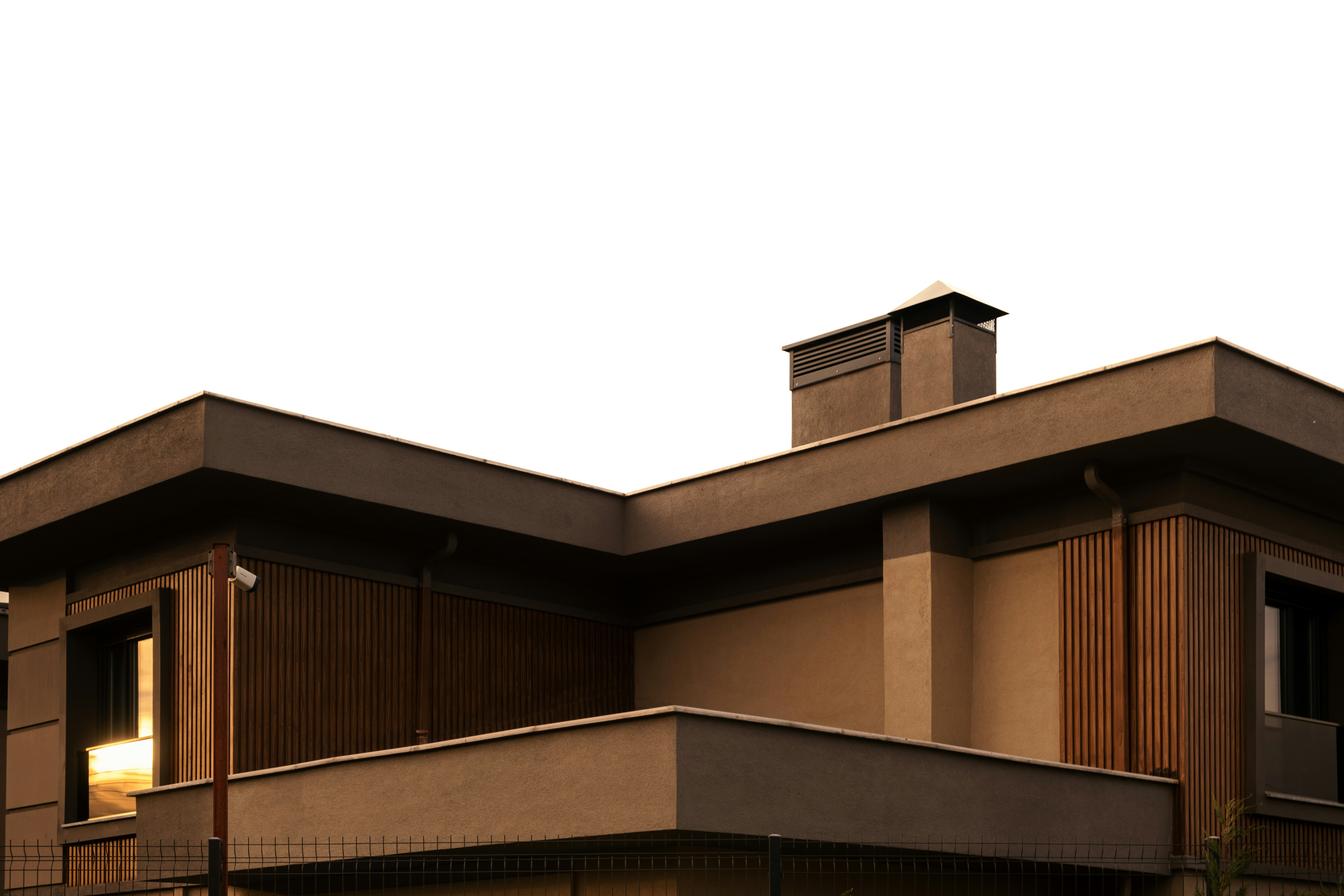
ASHI Certified
InterNACHI Member
Every home deserves the truth.
Cracked flue liners. Double-tapped breakers. Moisture trails behind drywall. The things sellers never mention — documented in plain language before you sign.
66% of offers are contingent on inspection · FHA buyers protected since 2008
Five rooms. Every finding. Plain language.
We move through your home the way an inspector does — room by room, system by system. Click any room to see real findings, annotated photos, and what each issue costs to fix.
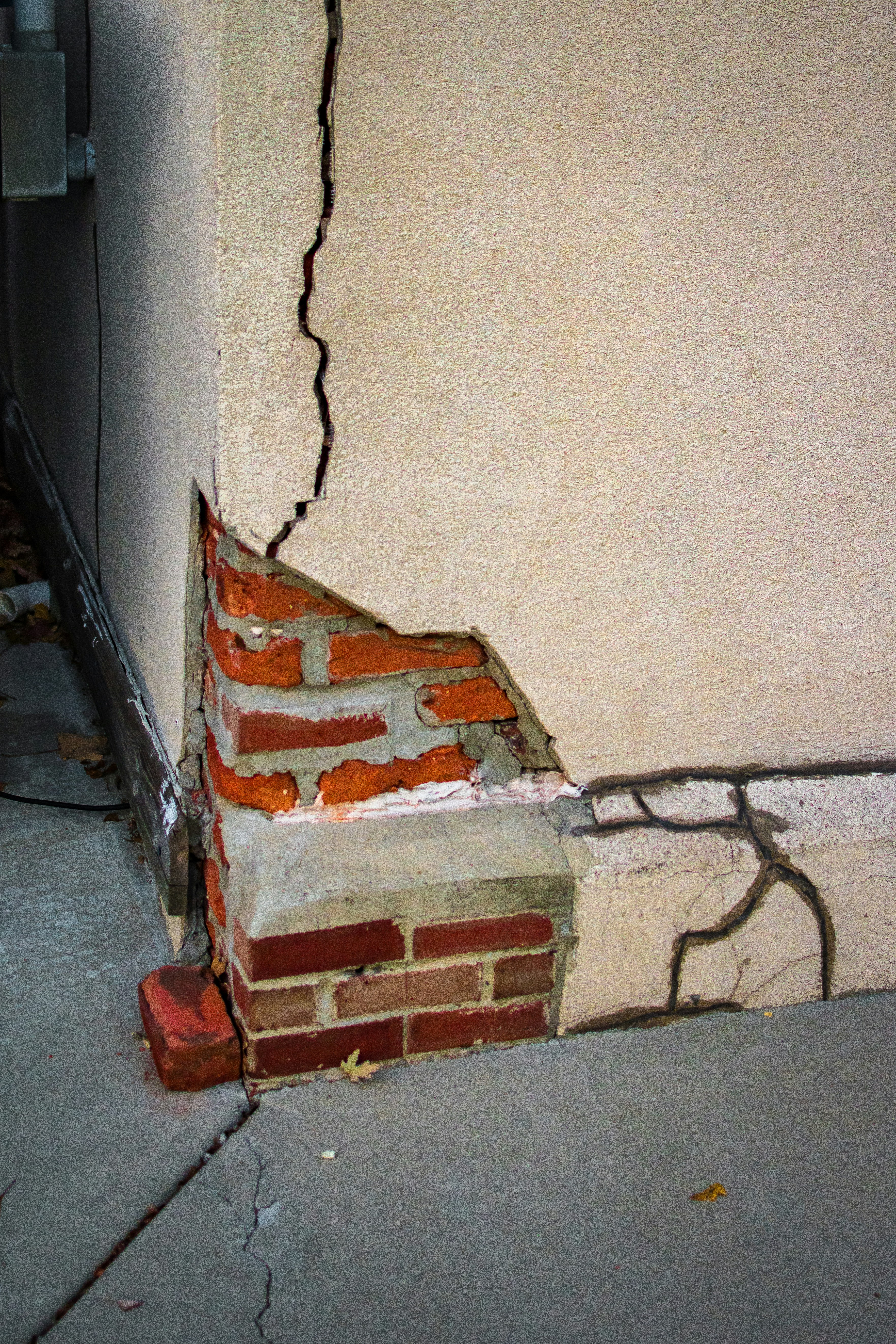
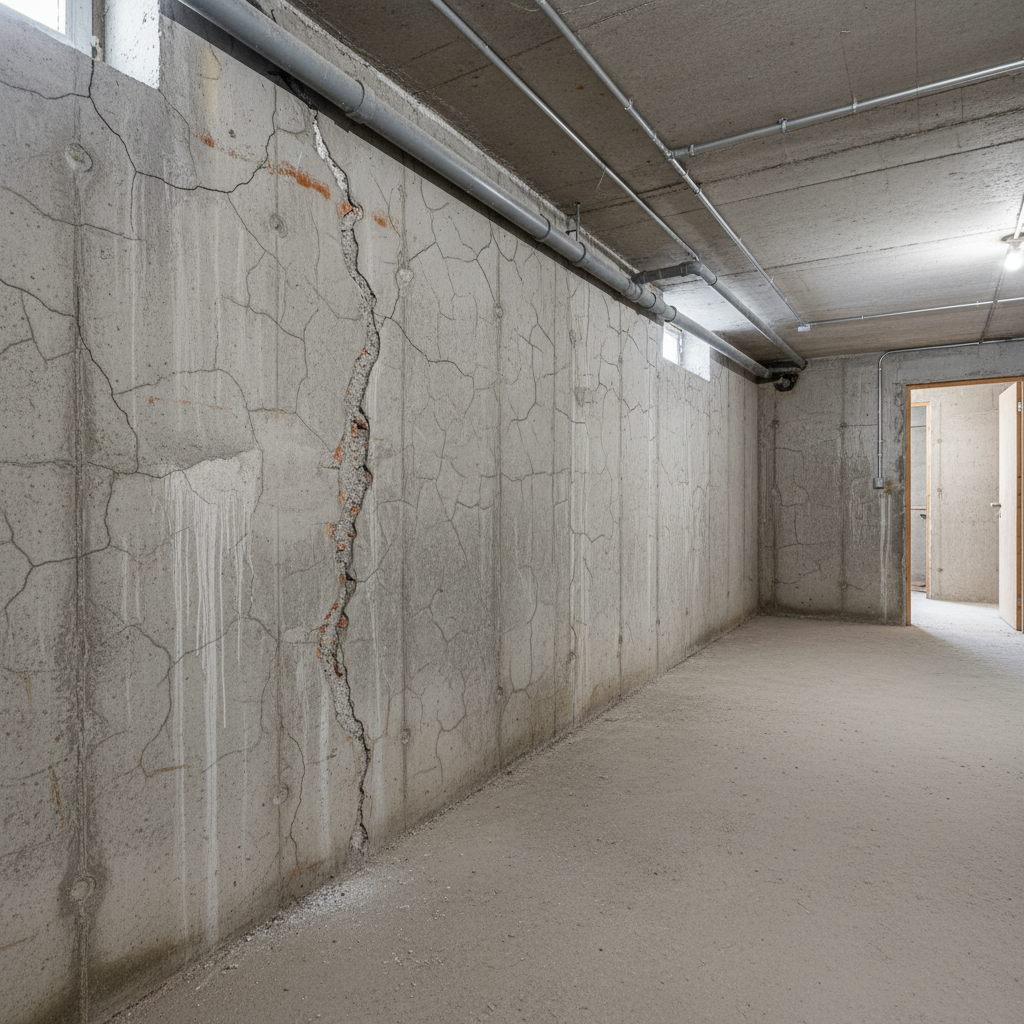
We inspect every accessible foundation wall, slab, crawlspace, and drainage slope. Moisture intrusion at this level affects every floor above it.
White mineral deposits indicate water is moving through the wall. Not structural yet — but it will be if untreated.
Soil pitches toward the house, directing rainwater into the foundation. This is the #1 cause of basement flooding in affordable housing stock.
Normal settlement cracking under 1/8". Documented but not a current concern.
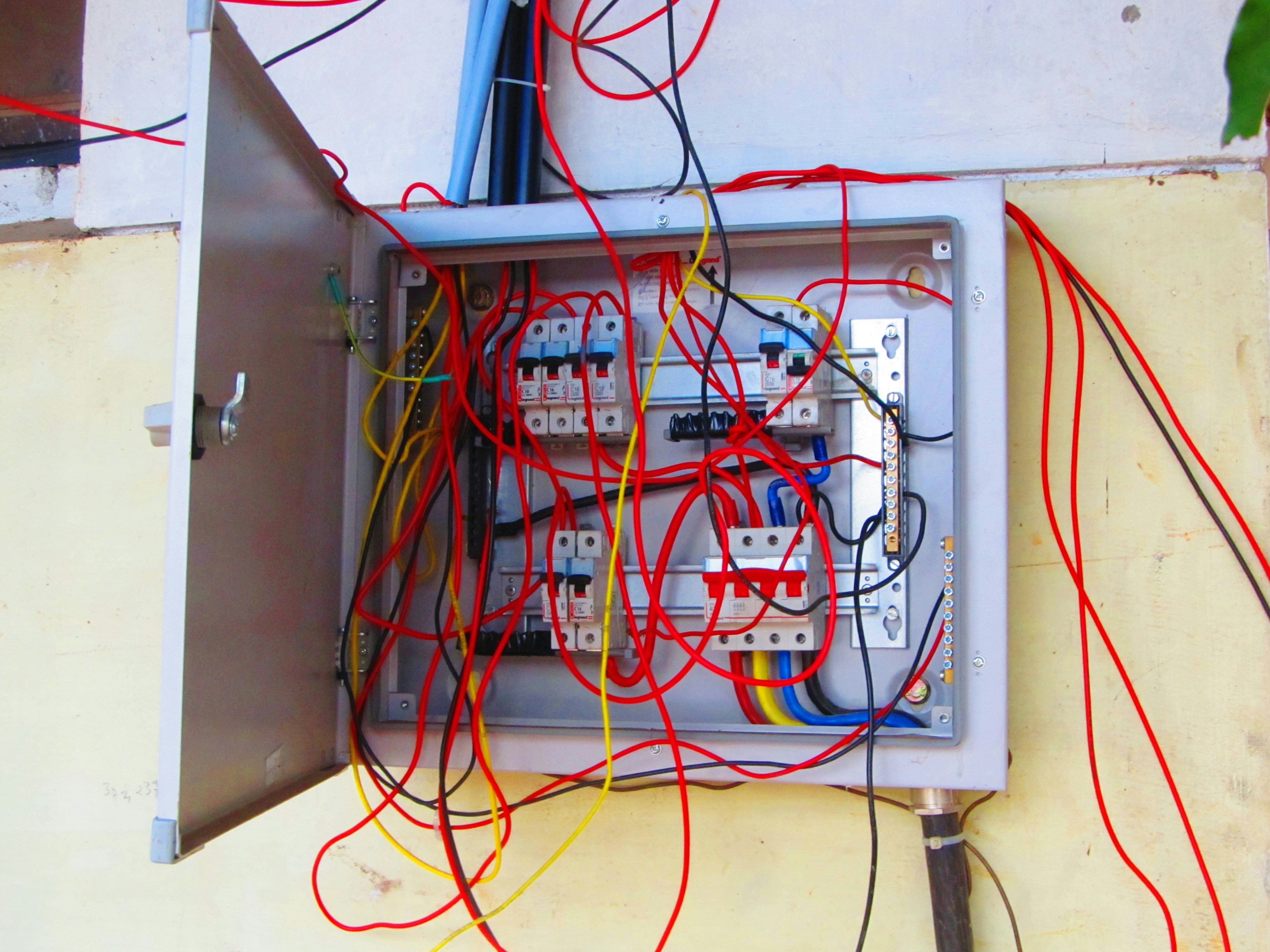
We inspect the service panel, branch circuits, outlets, GFCI/AFCI protection, and visible wiring throughout the home — including knob-and-tube in older affordable housing.
Two wires share one breaker slot. The breaker can't protect both circuits properly — a fire hazard that FHA appraisers often miss.
Aluminum wiring expands and contracts more than copper, loosening connections over time. Requires COPALUM connectors or full rewire.
Ground-fault protection is required within 6 feet of any water source. Easy fix — but required before FHA will close.
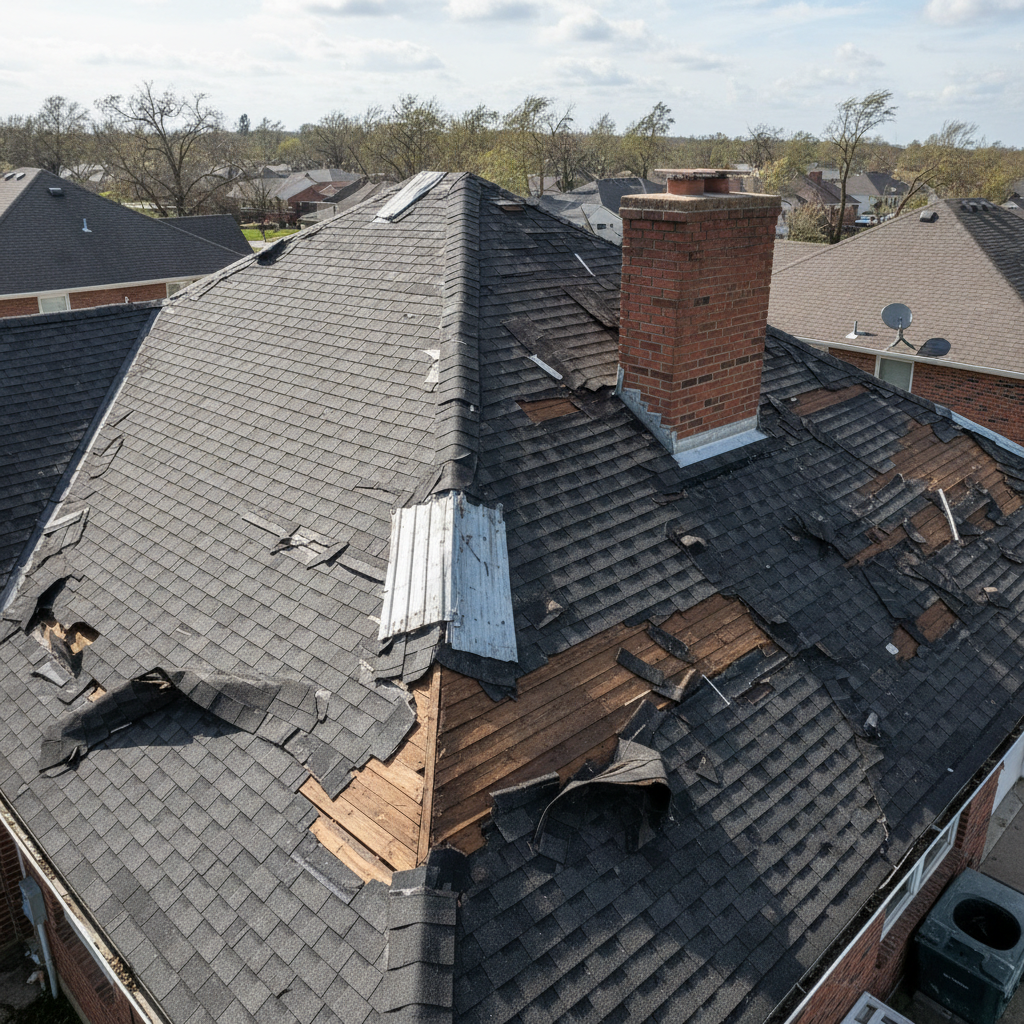
We inspect roofing materials, flashing, gutters, ventilation, chimney condition, and attic moisture — and we tell you how many seasons of useful life remain.
Granules protect the asphalt from UV. When they're gone, the shingle degrades rapidly. Estimated 1–2 years of remaining life.
A cracked liner allows combustion gases — including carbon monoxide — to enter the living space. Common in older affordable housing and often missed.
Drip edge prevents water from wicking under shingles at the roofline. Inexpensive fix, significant moisture protection.
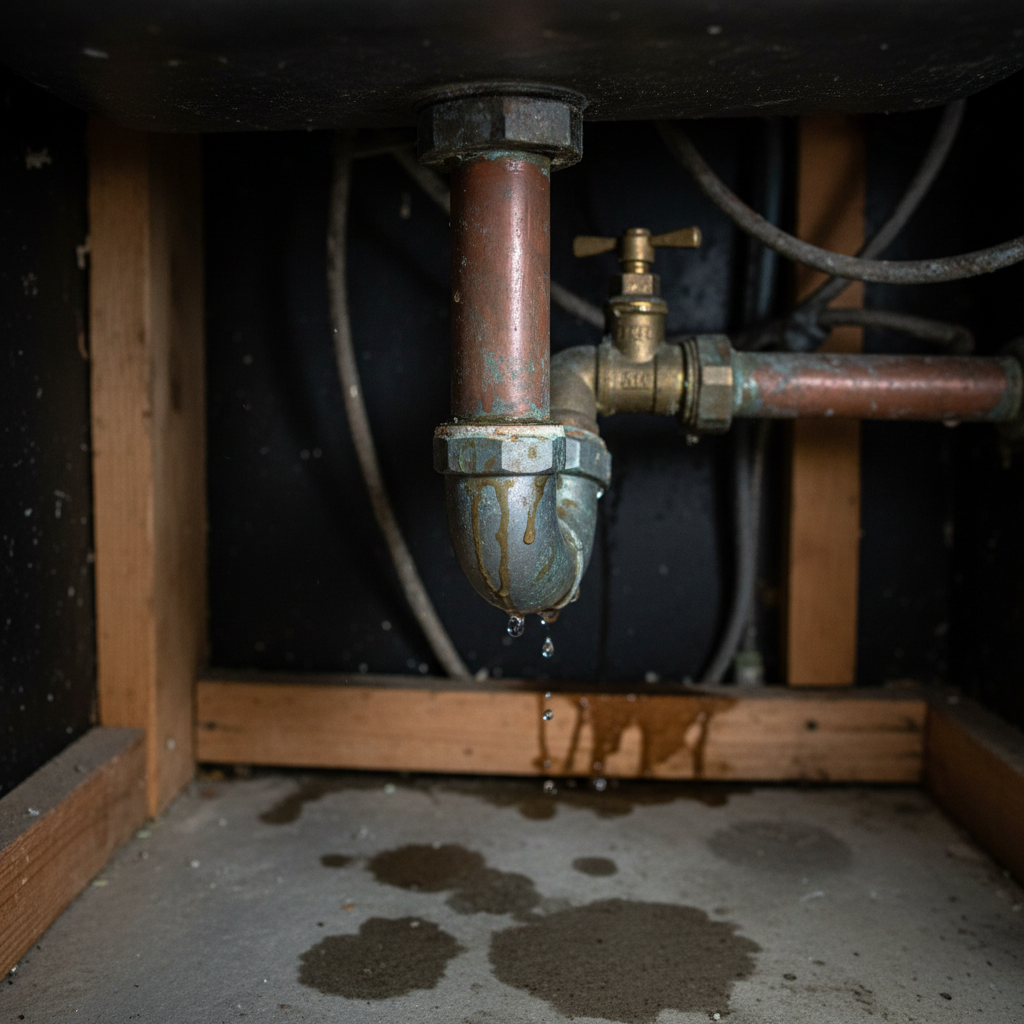
We test water pressure, inspect drain/waste/vent systems, water heater age and condition, supply line materials, and look for hidden moisture with a thermal imaging camera.
Galvanized pipe corrodes from the inside out, restricting flow and discoloring water. Common in pre-1970 affordable housing. Budget for replacement.
Industry lifespan is 8–12 years. This unit is on borrowed time. No expansion tank means pressure spikes stress the tank and supply lines.
Thermal camera shows a cold spot indicating moisture. Could be a slow supply leak or a drain overflow. Requires opening the wall to confirm.
We inspect furnace/AC age and condition, heat exchanger integrity, ductwork, filter status, thermostat function, and carbon monoxide risk — the things that keep a house habitable.
A cracked heat exchanger allows combustion gases to mix with heated air. Carbon monoxide risk. This is a health-and-safety finding that may halt FHA closing.
R-22 refrigerant is no longer manufactured. When this unit fails, it cannot be recharged. Budget for replacement within 2 years.
Conditioned air is flowing into the crawlspace instead of the living area. Easy fix — but it explains why the back bedroom is always cold.
An appraisal protects the bank. An inspection protects you.
HUD strongly encourages every FHA buyer to order an independent inspection — separate from the appraisal. Here is exactly why that distinction matters for your money.
FHA Appraisal
Purpose: Protects the lender
Does not catch:
InspectTrue Inspection
Purpose: Protects you
Average repair cost avoided with pre-offer inspection
FHA buyers discover a major defect their appraisal missed
Cost of a full inspection vs. thousands in surprise repairs
You've seen the work. Now book it.
Most inspections are scheduled within 48 hours. Full written report delivered within 24 hours of the inspection — with annotated photos, severity ratings, and plain-language repair estimates.
Foundation · Electrical · Roof · Plumbing · HVAC
Hidden moisture detection at no extra charge
Annotated photos, severity ratings, repair cost ranges
Formatted for lender submission if required
Pricing from $350 for homes under 1,500 sq ft. Nonprofit portfolio and municipal agency rates available — request a quote for multi-unit properties.